
Tracing Former Owners of a Erie County Property
Erie County prior owners yield to a steady discipline. Work deed to deed, using each grantor as the next search name while preserving book, page, legal description, and older parcel identifiers along the way.
| Source | Years It Covers | Where Held | What It Shows |
|---|---|---|---|
| Trace Erie County prior owners from deed to deed, using each grantor as the next search name and preserving book, page, legal description, and older parcel identifiers. | Trace Erie County prior owners from deed to deed, using each grantor as the next search name and preserving book, page, legal description, and older parcel identifiers. | Trace Erie County prior owners from deed to deed, using each grantor as the next search name and preserving book, page, legal description, and older parcel identifiers. | Trace Erie County prior owners from deed to deed, using each grantor as the next search name and preserving book, page, legal description, and older parcel identifiers. |
| Trace Erie County prior owners from deed to deed, using each grantor as the next search name and preserving book, page, legal description, and older parcel identifiers. | Trace Erie County prior owners from deed to deed, using each grantor as the next search name and preserving book, page, legal description, and older parcel identifiers. | Trace Erie County prior owners from deed to deed, using each grantor as the next search name and preserving book, page, legal description, and older parcel identifiers. | Trace Erie County prior owners from deed to deed, using each grantor as the next search name and preserving book, page, legal description, and older parcel identifiers. |
| Trace Erie County prior owners from deed to deed, using each grantor as the next search name and preserving book, page, legal description, and older parcel identifiers. | Trace Erie County prior owners from deed to deed, using each grantor as the next search name and preserving book, page, legal description, and older parcel identifiers. | Trace Erie County prior owners from deed to deed, using each grantor as the next search name and preserving book, page, legal description, and older parcel identifiers. | Trace Erie County prior owners from deed to deed, using each grantor as the next search name and preserving book, page, legal description, and older parcel identifiers. |
| Trace Erie County prior owners from deed to deed, using each grantor as the next search name and preserving book, page, legal description, and older parcel identifiers. | Trace Erie County prior owners from deed to deed, using each grantor as the next search name and preserving book, page, legal description, and older parcel identifiers. | Trace Erie County prior owners from deed to deed, using each grantor as the next search name and preserving book, page, legal description, and older parcel identifiers. | Trace Erie County prior owners from deed to deed, using each grantor as the next search name and preserving book, page, legal description, and older parcel identifiers. |
Finding Erie County prior owners is a matter of patience and good notes. Move deed to deed, treating each grantor as the next search name and keeping every book, page, legal description, and older parcel identifier intact.
Walking the Erie County Deed Chain Backward
A backward walk through the deed chain recovers Erie County prior owners. Each recorded deed hands you a new name, so search that grantor next and log the book, page, legal description, and any older parcel identifiers as you go.
- Trace Erie County prior owners from deed to deed, using each grantor as the next search name and preserving book, page, legal description, and older parcel identifiers.
- Trace Erie County prior owners from deed to deed, using each grantor as the next search name and preserving book, page, legal description, and older parcel identifiers.
- Trace Erie County prior owners from deed to deed, using each grantor as the next search name and preserving book, page, legal description, and older parcel identifiers.
- Trace Erie County prior owners from deed to deed, using each grantor as the next search name and preserving book, page, legal description, and older parcel identifiers.
- Grantor / grantee
- Trace Erie County prior owners from deed to deed, using each grantor as the next search name and preserving book, page, legal description, and older parcel identifiers.
- Chain of title
- Trace Erie County prior owners from deed to deed, using each grantor as the next search name and preserving book, page, legal description, and older parcel identifiers.
- Legal description
- Trace Erie County prior owners from deed to deed, using each grantor as the next search name and preserving book, page, legal description, and older parcel identifiers.
How Far Back Erie County Ownership Records Go
Erie County prior owners surface one deed at a time. Use each grantor as the next search name, and preserve the book, page, legal description, and older parcel identifiers that keep the chain honest.
Lawful use. Trace Erie County prior owners from deed to deed, using each grantor as the next search name and preserving book, page, legal description, and older parcel identifiers.
Erie County's Older Deed Chain
Online indexing only goes back so far. Former owners before 1986 often need a book-based search because the everyday web land index starts that year. Deed images run from 1960. Deeds in custody reach back to 1808. Begin with the current recorded deed, note its grantor, date, and book and page, then find the deed by which that grantor took the land, and repeat until the chain runs out. A change in SBL does not break the chain when the legal description, subdivision map, acreage, or adjoining owners tie the instruments together. The Clerk's records coverage table marks the online cutoffs.
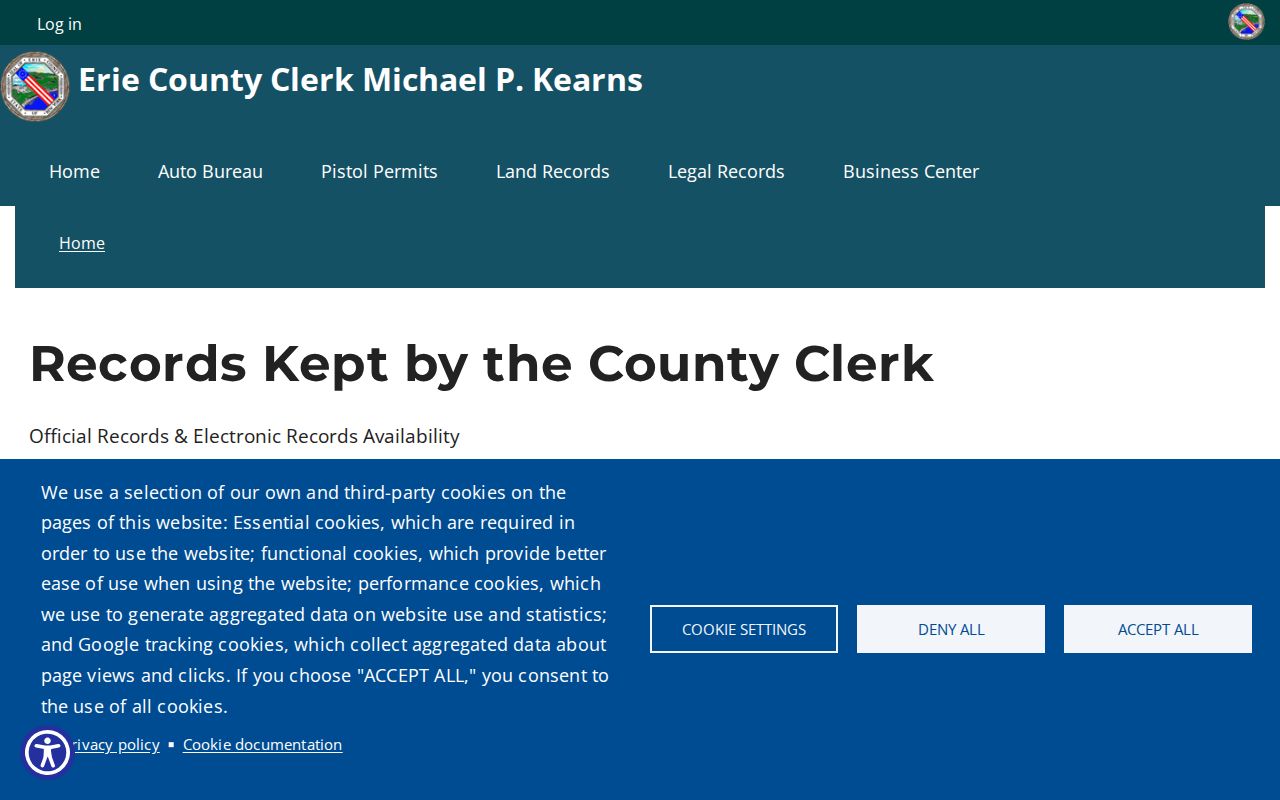
Older former owners call for the public room. Take the known liber and page there, or file a staff request, rather than relying on a web name search alone.
Estates in an Erie Ownership Chain
A death can interrupt a tidy deed-to-deed sequence. Estate records explain what happened. WebSurrogate gives Erie public access for qualifying Surrogate's Court matters filed on or after February 19, 2014. Older material may require the courthouse public room. A probate petition, will, decree, or fiduciary appointment shows who held authority, but the executor's or administrator's deed is the recorded land transfer to follow in the Clerk index. The WebSurrogate portal supplies the court-side lead.
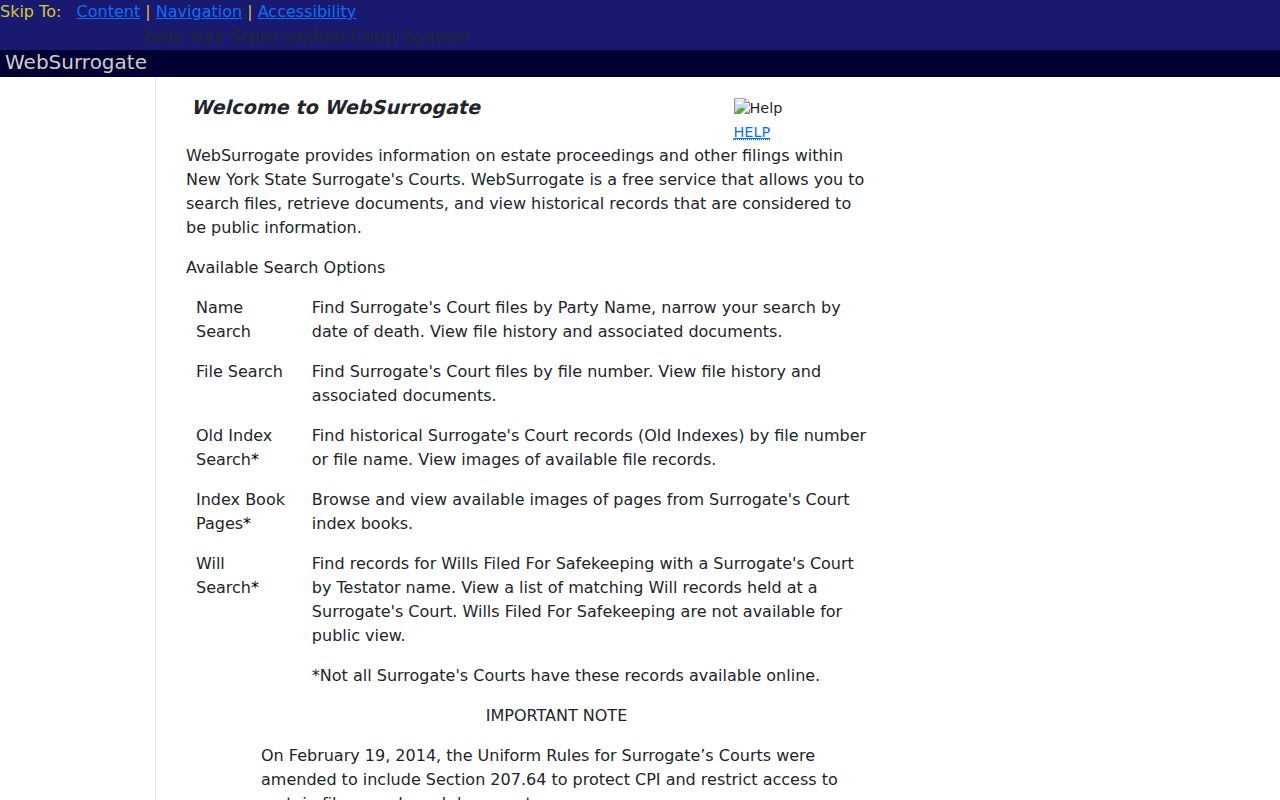
Probate files can explain a gap between recorded deeds. Use them, then return to the Erie County deed chain for the land record.